Ho’omaluhia Park Overview
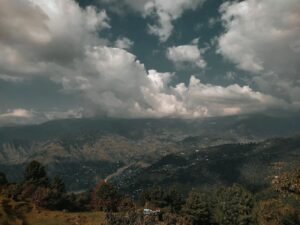
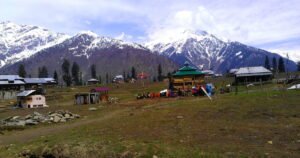
Ho’omaluhia Park sits at 45-680 Luluku Road in Kaneohe on the Windward side of Oahu, covering 400 acres at the base of the Ko’olau Mountains. The name means “a place of peace and tranquility” in Hawaiian, and anyone who drives along the entrance road lined with towering palms against a backdrop of misty volcanic peaks immediately understands why that name was chosen. Admission is completely free, and parking inside the garden is free as well. In addition to the remarkable natural setting, the garden holds a distinctive place in popular culture. The Ko’olau Mountains that form the dramatic backdrop are the same mountains that defined the visual atmosphere of Steven Spielberg’s Jurassic Park. Moreover, the drive through the garden on a misty morning, with giant tropical plants pressing in on both sides and the sheer green walls of the Ko’olau rising above, produces the same visceral response that the film aimed for. Wiliwilinui Ridge Trail is another top destination to visit with kids and family.
Quick Facts
| Detail | Info |
| Official Name | Ho’omaluhia Botanical Garden |
| Name Meaning | To make a place of peace and tranquility |
| Address | 45-680 Luluku Rd, Kaneohe, HI 96744 |
| Location | Kaneohe, Windward Oahu, Hawaii |
| Size | 400 acres (322 hectares) |
| Hours | 9:00 AM to 4:00 PM daily |
| Closed | Christmas Day and New Year’s Day |
| Admission | Free — no entry fee |
| Parking | Free — multiple lots inside the garden |
| Parking Fee | None |
| Can You Drive Inside | Yes — driving through the garden is part of the experience |
| Jurassic Park Filming | Inspired the look of the film — Ko’olau backdrop visible throughout |
| Lake | Ho’omaluhia Lake — catch-and-release fishing on weekends |
| Camping | Available by permit through City and County of Honolulu |
| Phone | (808) 233-7323 |
| Managed By | City and County of Honolulu |
| Distance from Waikiki | ~30 to 40 minutes by car |
Ho’omaluhia Botanical Garden History
Built by the US Army Corps of Engineers
Ho’omaluhia Botanical Garden was established in 1982 by the United States Army Corps of Engineers, which makes it unusual among botanical gardens in that its original purpose was flood protection rather than horticulture. The Corps built it to protect the town of Kaneohe from flooding caused by the heavy rainfall that the Ko’olau Mountains intercept from the northeast trade winds. In addition, the lake at the center of the garden is not a decorative feature but a functional reservoir that holds floodwater when heavy rain falls on the mountains above.
Ho’omaluhia Botanical Garden Hours
| Day | Hours |
| Monday to Sunday | 9:00 AM to 4:00 PM |
| Christmas Day | CLOSED |
| New Year’s Day | CLOSED |
| Visitor Center | Opens with the garden at 9:00 AM |
The garden closes promptly at 4:00 PM, and the security staff enforces this timing, so planning to arrive after 2:30 PM gives limited time to explore the full 400 acres. In addition, arriving right at 9 AM when the garden opens gives you the soft morning light that makes the Ko’olau Mountains look their most dramatic and the entry road most photogenic. Moreover, the early morning hours are significantly cooler and quieter than the afternoon, when both heat and visitor numbers build through the day.
Pro Tip: The line of cars at the gate before 9 AM opening can include five to ten vehicles on busy days. Arriving five minutes early puts you near the front of that queue, and the security guard does not allow pedestrians through before the official opening time, so driving is the most efficient approach.
Ho’omaluhia Park Parking
Is Parking Free at Ho’omaluhia?
Yes. Parking at Ho’omaluhia Botanical Garden is completely free with no parking fee of any kind. Multiple parking areas sit within the garden, and visitors drive to different lots depending on which section they want to explore first. In addition, the garden’s road system is designed so that you can park, walk a section, return to the car, and drive to the next parking area rather than having to cover the full 400 acres on foot from a single entry point.
Note from the Field: You cannot stop your car on the iconic palm-lined entrance road for photos. The security staff enforces this rule strictly for safety reasons. However, the first parking area inside the garden gives you access to a walking path that brings you back to view the entrance road from a position where stopping is permitted.
Parking Areas Inside the Garden
| Parking Area | What It Serves |
| Visitor Center Lot | Main entry, maps, bird checklist, restrooms |
| Lake Area Lot | Ho’omaluhia Lake, fishing access, mountain views |
| African Plants Section | Regional plant collection area |
| Polynesian Plants Section | Pacific region collections |
| Tropical America Section | Central and South American plants |
Ho’omaluhia Botanical Garden and Jurassic Park

The Jurassic Park Connection Explained
The connection between Ho’omaluhia Botanical Garden and Jurassic Park is real but slightly different from what most visitors expect. The Ko’olau Mountains that form the dramatic backdrop of the garden are the same mountain range that defined the visual identity of Steven Spielberg’s 1993 film. The sheer, mist-covered green walls that appear throughout the film are Ko’olau peaks, and the feeling of prehistoric scale and tropical density that the film captures is exactly what the garden delivers on any overcast morning.
Note from the Field: The Jurassic Park soundtrack on the entrance road suggestion comes from visitors going back years. It works best on an overcast morning when the Ko’olau peaks are partially covered in mist. The music was written for this exact visual environment, even if the filming happened slightly further north.
What to See and Do at Ho’omaluhia Park

The Entrance Road and Ko’olau Mountain Views

The entrance road at Ho’omaluhia is one of the most photographed spots in all of Hawaii, which is a meaningful statement on an island full of photographed spots. The road runs straight toward the Ko’olau Mountains with tall palms on both sides and the volcanic peaks framed directly ahead. On clear mornings, the mountains are sharp-edged and lit from the east. After rain, waterfalls appear on the faces of the peaks that are invisible in dry weather. Moreover, the mist that settles on the upper ridges on cloudy days gives the whole scene a weight and atmosphere that photographs capture only partially.
Pro Tip: The best photos of the entrance road come from the far end looking back toward the gate, not from the gate looking in. Walk to the far end of the road during your visit and turn around. The framing of the mountains behind you and the road stretching away is the shot that appears most in travel photography from this location.
Ho’omaluhia Lake
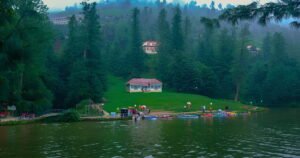
Lake Ho’omaluhia sits at the center of the garden and is the largest feature of the flood control system built by the Army Corps of Engineers. Swimming is not permitted in the lake, as it functions as an active reservoir. In addition, the lake serves as the backdrop for some of the garden’s most striking mountain views, particularly in the early morning when the Ko’olau peaks reflect in the still water before the wind picks up. Moreover, the lake area attracts most of the garden’s bird activity, making it the best section for birdwatching throughout the day. Waimano Falls is a perfect spot in Hawaii for hikers and trekkers.
Fishing at Ho’omaluhia Lake
Catch-and-release fishing is permitted at Ho’omaluhia Lake on weekends and state holidays. The lake holds a range of freshwater fish species, and the fishing permit process runs through the garden’s visitor center. In addition, the weekend fishing program is one of the more unusual free activities available in Oahu and draws regular visitors who combine a morning of fishing with a walk through the garden’s plant collections afterward.
Plant Collections by Region
The garden organizes its 400 acres into geographic plant collection zones, each representing a different tropical region of the world. Walking through them in sequence creates the experience of moving through completely different ecosystems within a single garden visit. Moreover, the collection includes many rare and endangered species that visitors would not encounter outside a specialized botanical institution.
| Collection Zone | Region Represented |
| Hawaiian Plants | Native and endemic Hawaiian species |
| Polynesian Plants | Pacific island tropical species |
| African Plants | Tropical African flora |
| Indian Subcontinent | India and Sri Lanka tropical plants |
| Southeast Asian Plants | Malaysia, Indonesia, Philippines |
| Tropical American Plants | Central and South American species |
| Philippines Collection | Philippine native plants |
| Palms and Cycads | Global palm species throughout the garden |
Birdwatching at Ho’omaluhia Park
Ho’omaluhia Botanical Garden supports close to two dozen bird species that visitors can spot throughout the garden, including both native Hawaiian birds and migratory species. The visitor center provides a bird checklist on arrival that helps structure a birdwatching walk through the different habitat zones. In addition, the lake area and the wooded sections around the stream corridors are the most productive zones for bird activity. Moreover, the garden’s relatively low visitor pressure compared to more commercial Oahu attractions means that wildlife is not constantly disturbed, and sightings are more reliable here than at busier locations.
Hiking Trails Ho’omaluhia Park

Several hiking trails run through Ho’omaluhia Botanical Garden, ranging from easy flat walks around the lake to more challenging routes that climb into the lower slopes of the Ko’olau. In addition, the main road through the garden is flat and suitable for walking, cycling, and prams. Moreover, the trails through the more remote sections of the garden reach areas where visitor density drops to near zero, giving a genuinely isolated nature experience within a 30-minute drive of Waikiki.
Camping at Ho’omaluhia Park
Camping is available at Ho’omaluhia Botanical Garden by permit through the City and County of Honolulu. The camping area sits within the garden grounds and gives overnight visitors an experience that very few botanical gardens anywhere in the world can match: falling asleep with the Ko’olau Mountains above you and the lake nearby, waking to bird calls at dawn before the day visitors arrive. In addition, the camping permit process requires an advance application through the official Honolulu city website. However, many visitors search for camping at Ho’omaluhia without realizing that availability is limited and permits fill quickly, so applying well in advance of your intended dates is essential. Papakolea Beach is another spot that attracts thousands of visitors all year round.
Art Programs and Workshops
Ho’omaluhia hosts nature-related art programs, guided nature walks, and educational workshops throughout the year. These programs run through the garden’s visitor center and are available to visitors of all ages. In addition, the programs are offered free or at low cost as part of the garden’s public education mission. Moreover, the guided nature walks give context to the plant collections that a self-guided visit cannot provide, particularly for visitors who want to understand the Hawaiian native plant section and the conservation significance of the species within it.
Ho’omaluhia Botanical Garden Parking and Getting There
How to Get to Ho’omaluhia from Waikiki
From Waikiki, the most direct route takes Highway H-1 east and then merges onto the Pali Highway, which cuts through the Ko’olau Mountains via the Nuuanu Pali tunnel and descends to the Windward side. From there, follow signs toward Kaneohe and turn onto Luluku Road, which leads directly to the garden entrance. The total drive from Waikiki takes 30 to 40 minutes under normal traffic conditions. In addition, an alternative route via the H-3 freeway runs through the mountains further north and offers stunning freeway views of the Ko’olau range before descending to Kaneohe. However, the Pali Highway route via H-1 is more straightforward for first-time visitors and has clearer signage for the garden turnoff.
| From | Route and Time |
| Waikiki | ~30 to 40 minutes via H-1 and Pali Highway |
| Honolulu Airport | ~25 to 30 minutes via H-1 East and H-3 |
| North Shore | ~40 to 50 minutes via Kamehameha Hwy |
| Kailua | ~10 minutes via Kamehameha Hwy |
| Pearl Harbor | ~30 to 35 minutes via H-1 East |
By Public Bus
TheBus, Oahu’s public transit system, serves the Kaneohe area from Ala Moana Center. Bus number 60 stops at the Anoi/Hinamoe stop, which is approximately a ten-minute walk from the garden gate. In addition, the bus journey from Waikiki takes significantly longer than driving, typically 60 to 90 minutes. However, for visitors without a car, the combination of TheBus to Kaneohe and an Uber for the last mile is more practical than relying on the bus for the full journey.
Pro Tip: Renting a car for at least one day of your Oahu trip specifically to visit Ho’omaluhia is worth the cost. The garden’s road system is designed for cars rather than pedestrians, and exploring all sections on foot from a single parking area would take most of a day.
What to Bring to Ho’omaluhia Park
- Rain gear or a compact umbrella, the garden sits in a rainforest zone, and showers arrive without warning
- Insect repellent, the lush vegetation supports mosquito populations throughout the garden
- Comfortable walking shoes with grip trails can be muddy after rain
- Sunscreen open areas around the lake and the entrance road have no shade
- Water and snacks, no food vendors operate inside the garden
- A camera with a wide-angle lens for the Ko’olau mountain shots
- The Jurassic Park soundtrack was downloaded offline for the entrance road drive
- The garden’s bird checklist, available free from the visitor center
My Personal Experience at Ho’omaluhia Park
I arrived just before 9 AM on a Thursday and was fourth in the line of cars waiting at the gate. The security guard’s instructions were brief and clear: no stopping on the entrance road, the visitor center is straight ahead, and drive slowly. The gate opened, and the road opened with it. The entrance road is one of those travel experiences that genuinely delivers what the photos promise, which is rarer than it should be. The tall palms are real, the Ko’olau peaks behind them are real, and the feeling that something prehistoric is about to step out of the vegetation on either side is real in the specific way that a place achieves when its scale is genuinely beyond ordinary. Moreover, I had downloaded the Jurassic Park soundtrack at the suggestion of a travel blog I had read the week before, and playing it on that road at that specific moment was one of the better travel decisions I made on the entire trip.
Ho’omaluhia Park Map
Nearby Attractions from Ho’omaluhia Park
| Place | Distance and Notes |
| Kualoa Ranch | ~15 minutes north actual Jurassic Park filming location |
| Pali Lookout | ~15 minutes via Pali Highway dramatic Ko’olau views |
| Byodo-In Temple | ~10 minutes stunning Japanese temple replica |
| Kaneohe Bay | ~5 minutes snorkeling and paddleboarding |
| Lanikai Beach | ~20 minutes south consistently rated best beach on Oahu |
| Kailua Beach Park | ~15 minutes south windsurfing and swimming |
| Senator Fong’s Plantation | ~10 minutes north |
FAQs
Yes. Ho’omaluhia Botanical Garden has no admission fee and no parking fee. Entry to the garden and all its sections is completely free every day of the year except Christmas Day and New Year’s Day, when the garden is closed.
Ho’omaluhia Botanical Garden is open daily from 9:00 AM to 4:00 PM. It closes on Christmas Day and New Year’s Day. The garden closes promptly at 4:00 PM, and visitors should plan their arrival accordingly.
No. Parking at Ho’omaluhia Botanical Garden is completely free with no fee of any kind. Multiple parking areas are distributed throughout the garden, and visitors can drive between sections rather than walking the full 400 acres from a single lot.
The Ko’olau Mountains visible from Ho’omaluhia Botanical Garden appear throughout Jurassic Park and define the film’s visual atmosphere. However, the primary filming locations for the movie were at Kualoa Ranch in the next valley north, not inside the garden itself.
Ho’omaluhia Botanical Garden is approximately 30 to 40 minutes from Waikiki by car via H-1 East and the Pali Highway. However, the most direct route crosses through the Ko’olau Mountains via the Nuuanu Pali tunnel and descends to Kaneohe on the Windward side.
Yes. Camping is available at Ho’omaluhia by permit through the City and County of Honolulu. In addition, permits must be obtained in advance through the official city website.