Quick Facts
| Detail | Info |
| Full Name | Swaik Lake (also known as Khandowa Lake and Neela Pani) |
| Location | Kallar Kahar Tehsil, Chakwal District, Punjab, Pakistan |
| Coordinates | 32°44′08″N 72°43′21″E |
| Distance from Islamabad | Approximately 135 km via M2 Motorway |
| Distance from Rawalpindi | Approximately 120 km via M2 Motorway |
| Distance from Lahore | Approximately 224 km via M2 Motorway |
| Distance from Kallar Kahar | 10 to 11 km |
| Distance from Chakwal | Approximately 30 km |
| Access Route | M2 Motorway → Kallar Kahar Interchange → Choa Saidan Shah Road → Khandowa Village |
| Trek Duration | 30 to 45 minutes from parking area to lake |
| Entry Fee | No official entry fee |
| Key Activities | Swimming, cliff diving, camping, trekking, fishing, photography |
| Water Type | Freshwater — crystal clear, sourced from surrounding mountain springs |
| Waterfall | Yes — small but scenic natural waterfall feeding the lake |
| Best Time to Visit | October to February (full lake, cool weather) and July to August (rainy season, lush landscape) |
| Nearest Town | Kallar Kahar — 10 to 11 km away |
| Nearby Attraction | Neela Wahn (Blue Pond), Kallar Kahar Lake, Takht-e-Babri, Choa Saidan Shah |
| Swimming | Yes — life jackets strongly recommended, especially near deeper sections |
| Camping | Yes — allowed near the lake, local guides available on-site |
| Facilities | Minimal — no shops or rest stops near the lake. Carry all supplies. |
What Is Swaik Lake?
★ Quick Answer: Swaik Lake is a natural freshwater lake in Kallar Kahar Tehsil, Chakwal District, Punjab. It sits 135 km from Islamabad and 10 km from Kallar Kahar town, accessible via the M2 Motorway. It features crystal-clear water, a natural waterfall, cliff diving rocks, and a 45-minute mountain trek.
Swaik Lake sits in the Swaikot mountain range of Chakwal District, Punjab. It holds a quiet claim to being one of the most visually striking natural lakes within a reasonable drive of Islamabad and Rawalpindi. The lake feeds from mountain springs and a natural waterfall that drops across rocks into the main body of water, keeping its colour a vivid green-blue that photographs consistently underrepresent. Because it lacks the commercial development that transforms popular tourist spots into crowded infrastructure, Swaik Lake retains the raw character that draws visitors who have already seen every managed attraction within day-trip range of the twin cities. The lake carries two additional names that appear interchangeably across travel guides and local conversation. Khandowa Lake refers to the village of Khandowa, which sits along the access route, while Neela Pani, meaning blue water, describes the colour that first-time visitors consistently remark on as they clear the final section of the trek and the lake comes into view.

How to Reach Swaik Lake
★ Quick Answer: Take the M2 Motorway to Kallar Kahar Interchange. Head toward Choa Saidan Shah. At Jalaibi Chowk, turn onto Khandowa village road. Continue to the parking area, then trek 30 to 45 minutes to the lake.
Step-by-Step Route Instructions
- Take the M2 Motorway (Lahore-Islamabad) and exit at Kallar Kahar Interchange.
- After the toll plaza, take the road heading toward Choa Saidan Shah rather than turning into Kallar Kahar town.
- Continue on this road and watch for Jalaibi Chowk; turn here onto the Khandowa village road.
- Follow the Khandowa village road through the village until you reach the designated parking area at the forest edge.
- From the parking area, the trek to Swaik Lake takes 30 to 45 minutes depending on your pace.
- The trail starts wide and clearly marked. After the first 15 minutes, it narrows significantly. Follow the path carefully and use local guides if you are visiting for the first time.
| From | Distance and Approximate Drive Time |
| Islamabad | Approx. 135 km via M2 — 1.5 to 2 hours |
| Rawalpindi | Approx. 120 km via M2 — 1.5 to 2 hours |
| Lahore | Approx. 224 km via M2 — 2.5 to 3 hours |
| Chakwal City | Approx. 30 km — 35 to 45 minutes |
| Kallar Kahar Town | Approx. 10 to 11 km — 15 to 20 minutes |
| Kallar Kahar Interchange | Approx. 10 km from Swaik Lake parking area |
Pro Tip: Search ‘Swaik Lake’ or ‘Khandowa Lake’ on Google Maps before leaving and download the offline map for the Kallar Kahar area. Mobile signal weakens significantly on the Khandowa village road and disappears entirely near the trailhead. An offline map keeps your navigation accurate through the final 10 kilometres where the road gets confusing for first-time visitors.
Important: The Khandowa village road narrows in sections and carries potholes after heavy rain. While a standard sedan handles the route in dry conditions, a high-clearance vehicle manages the approach more comfortably after the monsoon. Plan your visit outside peak monsoon downpour periods if you drive a low-clearance car.
The Trek to Swaik Lake
The trek from the parking area to Swaik Lake covers approximately 2 to 3 kilometres of mountain trail and takes 30 to 45 minutes at a steady pace. However, the experience divides clearly into two distinct sections that require different levels of attention. The first 15 minutes follow a wide, well-worn path through forested terrain that carries enough width for two people to walk side by side and enough clear directional markers that navigation requires no particular effort. This section builds gradually upward without any sharp elevation changes, making it accessible to families with older children and visitors who do not typically hike. After the first 15 minutes, the trail narrows sharply and the character of the walk changes. The path continues upward through more demanding terrain where the footing requires active attention and the width forces single-file movement.
✦ Local Insight: Local guides make themselves available near the trailhead and parking area for a small fee. For first-time visitors especially, a guide adds genuine value beyond navigation — they know which sections of the trail become slippery after rain, which spots near the lake work best for diving, and where to set up camp for the best morning light. Their knowledge of the terrain far exceeds what any map conveys.
Things to Do at Swaik Lake

Swimming in Crystal-Clear Water
Swimming in Swaik Lake is the activity that most visitors come specifically to experience, and the water delivers the experience that the photographs promise. The lake stays clear enough to see the bottom across most of its shallower sections, and small fish move through the water alongside swimmers in numbers that first-timers find genuinely surprising. Because the water sources from mountain springs are filtered through rock rather than surface runoff, the clarity and purity consistently exceed what visitors familiar with Pakistan’s urban lakes expect to find. However, the lake carries varying depths across its surface, and the deeper central sections present genuine risk for non-swimmers. Therefore, life jackets are strongly recommended for anyone who does not swim confidently, and mandatory for children regardless of their swimming ability.
Cliff Diving
Cliff diving at Swaik Lake draws its own dedicated crowd of adventure enthusiasts and represents one of the more genuinely thrilling activities available at any natural lake within day-trip range of the Twin Cities. A prominent standing rock on one side of the lake serves as the main diving platform, and the drop into the water below carries enough height to produce the physical response that makes cliff diving different from any managed water park ride. Since the rock surfaces visitors use for diving are worn smooth by consistent use, the footing during the approach and launch is more reliable than improvised cliff diving spots typically offer. Nevertheless, scouting the water depth at your chosen entry point before diving is non-negotiable, and first-time divers should watch experienced locals make the jump before attempting it themselves.
Camping Overnight
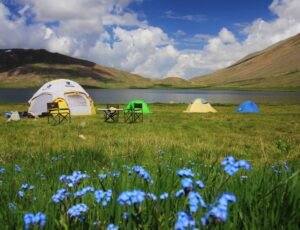
Camping near Swaik Lake turns a day trip into an experience that the lake’s morning character fully justifies. The early morning hours when the surrounding mountains catch the first light and the water surface holds a stillness that midday visitors never see give campers a version of the lake that day-trippers cannot access regardless of how early they arrive. Furthermore, camping at Swaik Lake requires no permits or formal booking, and local guides near the trailhead assist with site selection, setup, and the basic logistics of spending a night in the mountain terrain. Because the area has no shops or facilities, carrying all food, water, and camping equipment from home is not optional; plan as if the site has zero infrastructure, because it effectively does.
Pro Tip: If you camp at Swaik Lake, position your tent to face east across the water. The sunrise direction from that angle delivers the most complete light on the lake surface, and the morning mist that sits over the water in October and November burns off over approximately thirty minutes in a sequence that rewards anyone awake to witness it.
Trekking and Trail Exploration
Beyond the main access trail, the Swaikot mountain range surrounding Swaik Lake offers additional trekking terrain for visitors who want to extend their physical engagement beyond the lake itself. The ridgelines above the lake provide elevated views of the water and the surrounding valley that the lakeside perspective does not offer, and experienced trekkers use the area as a training ground for the kind of mountain terrain common in Pakistan’s northern regions. Additionally, the stream system that feeds the lake from the waterfall section connects to wider water channels that reward explorers willing to move beyond the obvious visitor areas.
Photography
Swaik Lake works as a photography location across every season, though the post-monsoon window from late August through October delivers the most photogenic version of the landscape. In addition, the golden hour window in the morning, roughly 6:30 AM to 8:00 AM in summer and 7:00 AM to 8:30 AM in winter, catches the lake surface and surrounding rock faces at the angle that makes the water colour appear most vivid against the mountain backdrop. Similarly, the winter months between November and February bring a low-angle sun that produces dramatic shadow patterns across the rock formations that the high summer sun at midday completely flattens. Consequently, photographers who time their visits to the morning hours in the cooler months consistently produce the most striking images of the lake.
Swaik Lake Waterfall

The natural waterfall at Swaik Lake feeds directly into the main body of water and forms one of the lake’s most photographed features. Water drops across multiple rock levels before reaching the lake surface, creating the sound and visual movement that the still water of the main lake does not carry. Because the waterfall runs strongest during and immediately after the monsoon season, visitors planning specifically for the waterfall experience should time their trip to late July through September when rainfall in the Potohar region keeps the flow at its most dramatic. However, even during the drier winter months, the waterfall continues running from the spring sources higher in the mountain and remains an active feature of the landscape rather than a seasonal attraction that disappears with the rains.
Best Time to Visit Swaik Lake
★ Quick Answer: October to February for a full lake with cool, comfortable weather. July to August for a lush monsoon landscape and the strongest waterfall. Avoid midday in June for the heat. Weekday mornings year-round for the quietest experience.
| Period | What to Expect |
| October to February | Full lake, cool temperature, clear skies, low crowds on weekdays. Best overall window for a comfortable visit. |
| February to March | Lake still full, weather warming pleasantly, wildflowers beginning on the trail. Excellent shoulder season. |
| April to June | Temperature rising rapidly. Visit early morning to avoid afternoon heat. Lake level may reduce slightly. |
| July to August | Monsoon season. Lake at its fullest, waterfall at its most powerful, landscape at its most lush. Trails can be slippery after rain. |
| September | Post-monsoon. Lush landscape remains, temperature easing, best combination of water level and comfort. |
| Eid and Public Holidays | Crowds spike significantly. Parking fills early. Arrive before 8 AM or expect a long wait at the trailhead. |
| Weekday Mornings | Best experience year-round. Empty trail, quiet lake, no competition for the diving rock. |
The single most underrated window for Swaik Lake is September, when the monsoon rains have ended, but the landscape retains all of the green density they produced. Because most visitors associate the post-monsoon period with the end of the summer season rather than its best expression, September weekdays at Swaik Lake offer a combination of full water levels, comfortable temperature, lush surroundings, and minimal crowd that no other month consistently delivers. Moreover, the waterfall runs strongly through September from the accumulated rainfall, which means the most photogenic version of the lake coincides with the quietest visitor period of the year.
Swaik Lake vs Neela Wahn
Both Swaik Lake and Neela Wahn (the Blue Pond) sit within the Kallar Kahar area and draw visitors from Islamabad and Rawalpindi on day trips. However, they deliver distinct experiences that suit different visitor types rather than simply competing on the same terms.
| Feature | Comparison |
| Distance from Kallar Kahar | Swaik Lake: 10 to 11 km — Neela Wahn: 30 km (near Nurpur village) |
| Trek Required | Swaik Lake: 30 to 45 minutes — Neela Wahn: Shorter approach but remote road |
| Water Colour | Swaik Lake: Green-blue clarity — Neela Wahn: Distinctive blue, more vibrant |
| Swimming | Swaik Lake: Yes, popular — Neela Wahn: Yes, more secluded |
| Cliff Diving | Swaik Lake: Yes, dedicated diving rock — Neela Wahn: Limited |
| Waterfall | Swaik Lake: Yes — Neela Wahn: Partial |
| Crowd Level | Swaik Lake: More visitors — Neela Wahn: More remote, fewer visitors |
| Best For | Swaik Lake: Adventure activities, camping, families — Neela Wahn: Solitude, photography |
In summary: visit Swaik Lake if you want swimming, cliff diving, and a complete day-trip experience with space for a family group. Visit Neela Wahn if solitude and the most vivid water colour in the Kallar Kahar region matter more than the activity range. Additionally, both sites work together as a two-day itinerary for visitors making the drive specifically for the Kallar Kahar lake district, since no single visit to the area fully exhausts what both locations offer.
Nearby Attractions Worth Adding to Your Trip
| Attraction | Details |
| Kallar Kahar Lake | Salt lake in Kallar Kahar town — scenic, historic, easily combined with Swaik Lake on the same day |
| Neela Wahn | Blue Pond 30 km from Kallar Kahar — striking water colour, more remote |
| Takht-e-Babri | Mughal throne carved from stone by Emperor Babur — 25 km southwest of Chakwal near the motorway |
| Choa Saidan Shah | Town along the route to Swaik Lake — salt mines, local bazaar, historic wells |
| Ketas Raj Temples | Ancient Hindu temple complex near Chakwal — significant historical and architectural interest |
| Potohar Plateau | Broader landscape context — rich prehistoric geology, dinosaur fossil discoveries documented in the region |
Because Swaik Lake sits within the broader Kallar Kahar area, combining it with Kallar Kahar Lake and a visit to the Choa Saidan Shah road section on the same day builds a natural loop that covers the main attractions of the region without redundant driving. Furthermore, visitors with a historical interest find that adding Takht-e-Babri and Ketas Raj to a two-day itinerary converts a simple lake visit into a genuinely comprehensive Potohar region trip that covers natural, adventure, and cultural dimensions in sequence.
What to Bring to Swaik Lake
- Sufficient food and water for the entire visit. No shops exist near the lake or along the trail. Carry more than you think you need, particularly in summer heat.
- Life jackets for non-swimmers and all children. The lake carries varying depths and the deeper sections are not visible from the surface.
- Trekking shoes or sturdy closed footwear. The trail surface after rain becomes slippery, and sandals on the narrower upper section of the trail create genuine risk.
- Sunscreen SPF 50 and a hat. The open lake area reflects sunlight from the water surface as well as receiving it from above, which doubles the UV exposure versus a shaded environment.
- A change of dry clothes. Because the activity options at Swaik Lake almost guarantee getting wet, returning to the car in wet clothing on a long drive back to Islamabad is uncomfortable enough to plan against.
- First aid kit with basic supplies. The distance from the nearest medical facility and the physical nature of the activities cliff diving, rocky trail trekking- make basic preparedness more relevant here than at a managed park.
- Torch or headlamp for camping visitors. The lake area has no lighting infrastructure, and navigating the trail after dark without a light source is dangerous.
- A dry bag or waterproof case for your phone and camera. Cliff diving and swimming near the waterfall create water exposure that standard phone cases do not fully protect against.
- Cash only. No payment infrastructure exists anywhere near the lake or the village approach.
My Visit to Swaik Lake
I drove from Islamabad on a Tuesday in October, which turned out to be the right call in ways I did not fully anticipate. The M2 motorway runs cleanly through the Potohar landscape at that time of year, the post-monsoon green still holding across the hills on either side, the sky the particular clear blue that Islamabad’s weather manages in October between the rains and the winter fog. The Kallar Kahar Interchange appeared after roughly two hours of driving, and the turn onto the Choa Saidan Shah road immediately dropped the traffic from motorway density to the quiet of a local route that sees visitors rather than commuters. The village road to the parking area took longer than the distance suggests. Because sections of the track narrow between compound walls and then widen again unexpectedly, progress moves slowly. However, the trailhead parking area holds enough cars to make the scale of the place clear before the trek starts. On a Tuesday in October, four other vehicles shared the lot with mine. A guide approached within two minutes of my arrival, quoted a reasonable fee, and said nothing else until I decided. I went with him. The first fifteen minutes of the trail delivered the landscape transition that the drive could not.
Swaik Lake Map
Practical Tips Before You Go
- Start early. Leave Islamabad or Rawalpindi by 7:00 AM to reach the trailhead by 9:00 AM. Early arrival gives you the lake at its quietest before any weekend crowd builds, and the morning light on the water during the first hour after arrival is the best the lake offers.
- Hire a local guide for your first visit. The trail narrows after the first 15 minutes, and the shale sections that become slippery after rain are not identifiable without local knowledge. The guide fee is minimal, and the knowledge is worth it.
- Do not swim alone. The varying depth across the lake surface and the limited visibility in the deeper sections make swimming with at least one other person the standard that all experienced visitors follow.
- Carry more water than you expect to need. The trek and the physical activities at the lake create dehydration faster than most visitors anticipate, and the nearest water source from the lake is the village road shops — not accessible once you are at the lakeside.
- Visit on a weekday wherever possible. Weekend crowds at Swaik Lake peak during the summer and Eid holiday periods in ways that significantly reduce the quality of the experience. A Tuesday or Wednesday morning visit delivers a version of the lake that weekend visitors rarely encounter.
- If you plan to camp, confirm with your guide where to set up before settling on a location. Some areas near the lake edge are softer ground than they appear and hold standing water after rain that is not visible on the surface.
Frequently Asked Questions
Swaik Lake is a natural freshwater lake located in Kallar Kahar Tehsil, Chakwal District, Punjab, Pakistan. It is also known as Khandowa Lake and locally as Neela Pani, meaning blue water.
To reach Swaik Lake from Islamabad, take the M2 Motorway and exit at the Kallar Kahar Interchange. After the toll plaza, head in the direction of Choa Saidan Shah rather than Kallar Kahar town.
Yes. Swimming is one of the most popular activities at Swaik Lake and the primary reason most visitors make the trek. The water is clear, sourced from mountain springs, and carries small fish that swim alongside swimmers.
The best overall window to visit Swaik Lake is October to February, when the lake is full, the weather is cool and comfortable, and the clear skies deliver the most dramatic mountain backdrop.
No. Swaik Lake has no official entry fee. The lake is a public natural site with no ticketing or managed entry system. However, hiring a local guide for the trek carries a small fee that is negotiated at the trailhead and is well worth paying for first-time visitors.
Swaik Lake offers swimming in crystal-clear freshwater, cliff diving from a prominent standing rock on the lake’s edge, trekking on the mountain trail between the parking area and the lake, overnight camping near the lake shore, fishing, and photography across the surrounding mountain landscape.